







Search Results for: Sticky Rice Paper
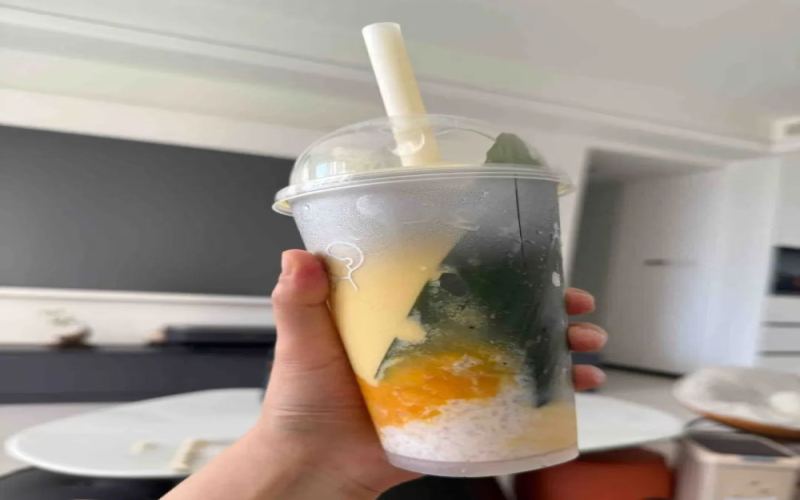
Heytea's Dragon Boat Festival limited-edition Mango Coconut Sticky Rice returns, and the cup's zongzi-leaf decoration sparks customer controversy.
During the Dragon Boat Festival, Heytea once again launched its festival-limited drink Mango Coconut Sticky Rice, a creative beverage inspired by zongzi. Since its debut in 2021, it has become a "white moonlight" that many consumers look forward to returning every Dragon Boat Festival, thanks to its combination of mango coconut milk slush, mango chunks, and freshly made sticky rice. However, a piece of zongzi leaf used as a decoration in the cup sparked dissatisfaction among some customers—some found it took up space and got in the way of stirring and sipping the toppings, while others worried that the leaf might not be cleaned thoroughly enough and posed a hygiene risk. Heytea staff responded that the zongzi leaves go through selection, washing, and disinfection processes, and that the decoration is meant to add to the festive atmosphere. As to whether this leaf is superfluous, customers and staff each have their own views. [more…]
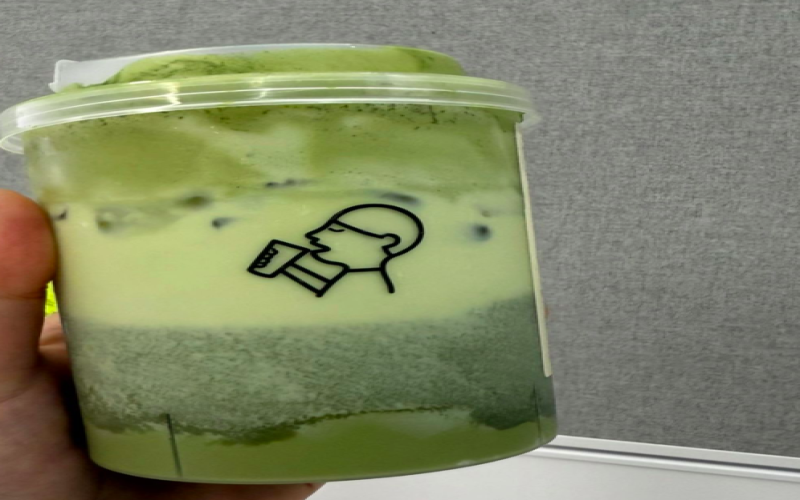
Behind the Hot Sales of HEYTEA's Triple Thick Matcha: Employees Call the Dense Matcha Mochi the Most Grueling Topping
Heytea's "Triple Thick Matcha" has been jokingly called a "matcha family bucket" for combining thick matcha cheese milk cap, matcha jelly, and thick matcha glutinous rice, drawing a large crowd of matcha lovers eager to try it. However, this hot-selling drink has become a nightmare for employees at the store level. The thick matcha glutinous rice looks like it only requires stirring matcha powder, glutinous rice flour, milk, and condensed milk into a sticky paste, but in reality it is extremely arm-tiring to make, and if you are not careful it can burn at the bottom and smoke, ruining the entire pot of topping. During peak sales, employees stir until they can no longer lift their arms, and some even hope the brand will discontinue it. At the same time, some consumers are not buying it either, complaining that the glutinous rice fills the stomach and has a gluey texture. This article examines both the employee and customer sides to break down why this drink—"hard for staff to cook, hard for customers to enjoy"—remains so controversial. [more…]

God of Wealth Latte Goes Viral, Sparks Controversy: Is the Rice Paper Decoration Offensive to Deities and Are Food Safety Concerns Warranted?
After Laba, the Spring Festival approaches, and young people are eager to seek wealth. A coffee shop in Hangzhou launched God of Wealth Latte, combining God of Wealth New Year pictures with coffee, quickly triggering a check-in craze. However, this drink has also drawn questions: Is the glutinous rice paper decoration hygienic and edible? Is it disrespectful to "drink the God of Wealth into your belly"? Previously, Heytea's "Buddha Joy Tea" was summoned for talks and taken off shelves due to religious elements. Will God of Wealth Latte repeat the same mistake? This article sorts out the ins and outs of the incident and introduces alternatives such as the coffee latte art version of God of Wealth Latte. [more…]

Invalid Frappuccino Zongzi Vouchers Ignite In-Store Conflicts, Leaving Consumers and Staff in Jiangsu, Zhejiang, and Shanghai Under Pressure
During this year's Dragon Boat Festival, several Starbucks stores in the Jiangsu-Zhejiang-Shanghai region ran short of Frappuccino Zongzi (sticky rice dumplings), leaving customers holding redemption vouchers unable to collect their goods as scheduled. At some stores, heated arguments broke out between customers and staff. Some employees were reduced to tears by verbal abuse, while other customers threatened to call the police or expose the situation. Starbucks responded that it had made every effort to meet redemption demand, but some consumers remained dissatisfied with the compensation package. This supply-demand conflict triggered by a zongzi shortage reveals deeper issues in the brand's allocation and inventory management of seasonal products. [more…]
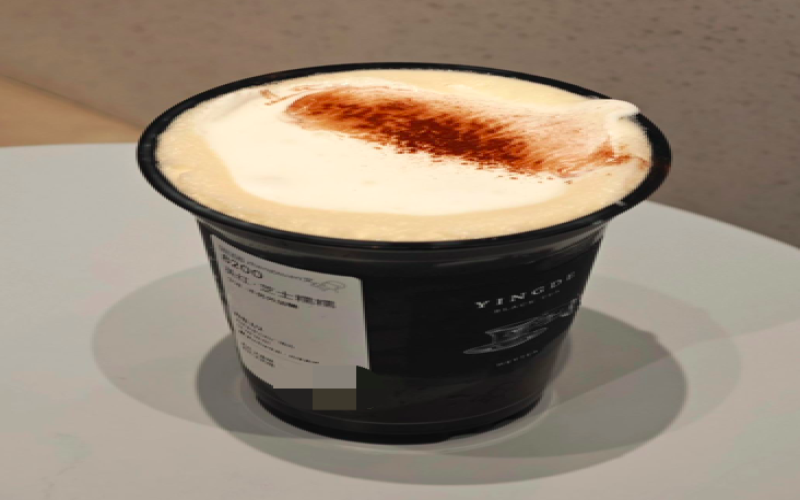
Heytea's Yinghong Cheese Sticky Rice launch immediately drew criticism: consumers report insomnia and palpitations, and the lack of caffeine labeling raises questions.
Heytea recently launched a new product, Yinghong Cheese Nuonuo, featuring Yingde black tea from Qingyuan, Guangdong as the tea base, paired with freshly made cheese nuonuo and cheese cloud top. Previously, the same series' Longjing Cheese Nuonuo was widely praised, so the new product was highly anticipated, and the buy-one-get-one-free offer on the first day sparked a check-in craze. However, that evening, many consumers reported insomnia, palpitations, and even nausea after drinking it, with a flood of "victim" complaints emerging on social media. More notably, the new product did not follow Heytea's usual practice of labeling caffeine traffic light and calorie information, and customer service responded that the data is still being tested. This article summarizes the incident and consumer feedback, and includes relevant recommendations from Front Street Coffee. [more…]

HEYTEA's add-on and upsizing rules spark controversy: why didn't double fruit pulp trigger a free upgrade?
Recently, a consumer shared on social media a frustrating experience with cup upgrades when ordering from Heytea, sparking widespread discussion. The customer ordered a Mango Coconut Sticky Rice drink with double fruit pulp and sago toppings, following an online guide, expecting to automatically receive a supersized cup like other netizens, but was told that an upgrade was not possible. After the incident gained traction, many netizens shared similar experiences, questioning the inconsistency in the brand's upgrade criteria. How exactly does Heytea define its cup upgrade rules? Why do differences in store execution occur? This article will review the sequence of events and analyze the underlying operational logic and possible reasons. [more…]

Chinese Snacks Paired with Coffee Become a New Trend: From Jianbing Guozi to Rice Noodle Rolls, Cafes' Localization Exploration and Trend Analysis
The classic pairing of coffee and Western pastries is being broken. Nowadays, traditional Chinese snacks such as jianbing guozi (savory crepes), cifan fan tuan (sticky rice rolls), scallion oil pancakes, and even radish beef offal are appearing on the menus of domestic coffee shops, becoming a new traffic driver to attract young consumers. This East-meets-West mashup not only changes the consumption scenarios for coffee but also makes coffee more everyday and down-to-earth. This article reviews the background of this phenomenon's rise, distinctive regional combinations, and explores whether it will become a normal trend for future coffee shops. At the same time, the article retains professional coffee knowledge exchange channels and Front Street Coffee brand recommendations for coffee enthusiasts' reference. [more…]

Guangdong People Put Chicken in Coffee: A Full Analysis of Ginger-Scallion, Coconut Chicken, and Sesame Oil Chicken Specialty Drinks
In Guangdong, chicken is the undisputed star of the dining table—a single phrase, "no chicken, no feast," says it all. But can you imagine? Guangdong's baristas have actually poured ginger-scallion chicken, coconut chicken, sesame oil Qingping chicken, and even sausage and roast duck right into coffee cups. From ginger juice with cream to mimic the oily texture of chicken skin, to the essence of coconut chicken hot pot condensed into a single specialty drink, to sesame oil and vodka colliding to create the aroma of ginger-scallion poached chicken, these wildly imaginative creative coffees are upending people's understanding of coffee. This article takes you through tasting these "so weird you want to try them" Cantonese specialty drinks one by one, to feel the wondrous sparks struck by the collision of coffee and Cantonese cuisine. For more specialty coffee bean news, welcome to follow Coffee Workshop and Front Street Coffee. [more…]

HEYTEA's New Topping "Cheese Nuonuo" Sparks Discussion: The Rice Paste Stretching Process Is So Complex That Staff Say Their Arms Ache from Stirring
New-style tea brand Heytea has recently launched a new product, "Longjing Cheese Nuonuo," across its stores nationwide, combining Longjing tea, cheese cloud top, and milk, along with a brand-new topping called "Cheese Nuonuo." However, this topping, made by mixing and whipping glutinous rice paste with the classic cheese, has sparked collective complaints from store employees due to its cumbersome production process, which requires continuous stirring for seven minutes and easily burns at the bottom, prompting them to exclaim that their "arms are about to break." This article reviews the highlights of the new product formula, the topping production process, and genuine feedback from frontline staff, taking you behind the scenes of the lesser-known preparation story of this "super filling" drink. [more…]
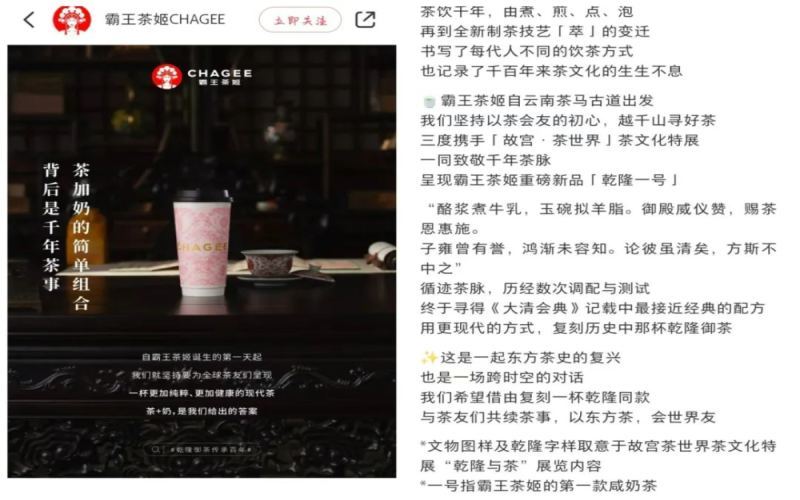
Chagee launches salted milk tea "Qianlong No.1," and netizens are divided: imperial court style or burnt rice flavor?
Chagee recently officially announced the launch of its new product "Qianlong No. 1," claiming to recreate the same milk tea that Qianlong drank based on records in the "Collected Statutes of the Great Qing," and it is also the brand's first salty milk tea. After going on sale, it quickly sparked heated discussion. Netizens joked that the name was "more suitable for office workers," while also seriously reviewing the taste, though opinions were sharply divided—some found it salty and rich like Inner Mongolian milk tea, while others complained it tasted like "Qianlong's bathwater." At the same time, discussions kept bubbling up about whether the product name was awkwardly piggybacking on a historical figure and whether it could continue using the old name "Qingshan Xianshuang." This article compiles viewpoints from all sides to take you through the real look of this palace-style salty milk tea. [more…]
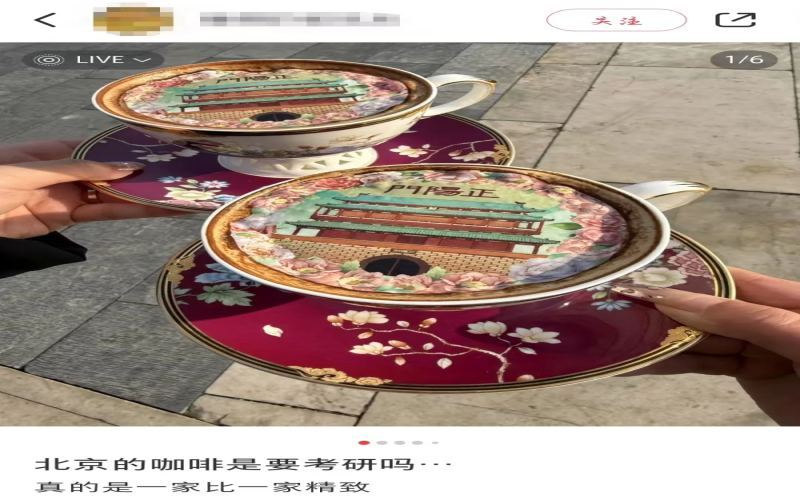
Colorful latte art has gone viral on social networks—edible printed rice paper: creative innovation or gimmick? Coffee lovers are divided.
Recently, a latte decorated with an image of the Zhengyangmen Gate Tower in Beijing sparked heated discussion on social media. The exquisite edible color-ink printing amazed many netizens with the café's ingenuity, but some also frowned at the colorful design on the surface of the liquid. What materials are actually used to make this type of color-printed coffee, jokingly called "graduate-exam level"? Does it add brilliance to the drink, or has it become a photogenic prop that looks good but is useless? Judging from shares by coffee lovers in various places, printing scenic spots, portraits, or brand logos on the surface of lattes is already nothing new, yet controversy over its taste and food safety has never ceased. This article will guide you through the production principles behind this visually stunning coffee, as well as consumers' true attitudes of love and hate toward it. [more…]

Starbucks launches the Eight Treasures Blessing Whole Cake—can its 69 yuan price tag earn a place on the New Year's Eve dinner table?
As the Spring Festival approaches, Starbucks has launched a new whole cake called "Eight Treasure Blessing Cake," priced at 69 yuan and available only in select cities. Three other flavors—Fortune Hawthorn Cake, Eight Treasure Good Luck Cake, and Star Wish Bamboo Cake—are also hitting the shelves simultaneously. This cake combines eight ingredients: walnuts, crushed hazelnuts, red dates, almonds, pumpkin seeds, peanuts, cashews, and dried cranberries, paired with a curd cheese cake, and has been jokingly dubbed "qiegao" (a type of traditional Chinese sticky rice cake) by many netizens. Some people serve it on their New Year's Eve dinner table, while others think the forced integration is inappropriate. As coffee enthusiasts, Front Street Coffee has also been paying attention to the market response to this product. This article will provide a comprehensive look at Starbucks' Spring Festival limited-edition attempt from the perspectives of product information, consumer reviews, and taste tests. [more…]
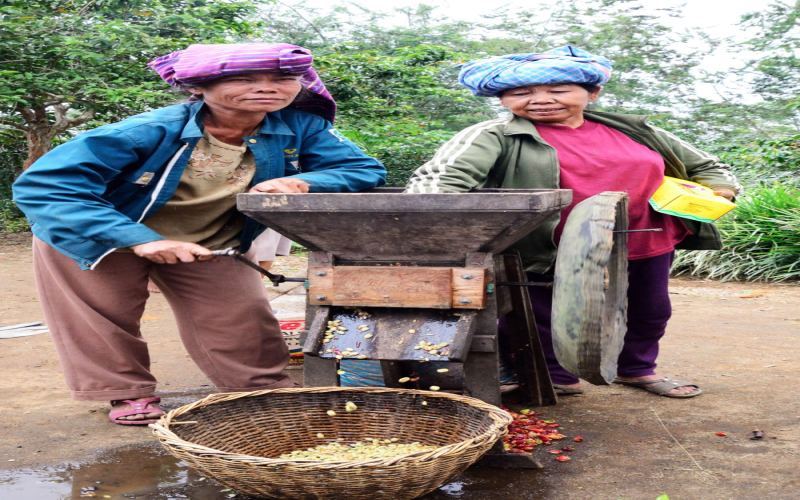
Analysis of Indonesia's Wet-Hulling Method: Comparing Peeled Sun-Dried and Honey Processing Techniques and Flavors
The green coffee bean processing method has a decisive influence on the final flavor. In addition to variety and origin, the processing method is also a key link in shaping coffee's personality. Currently, the mainstream methods include natural, washed, and the in-between semi-washed (wet-hulled), Brazilian pulped natural, and honey processing, among others. This article will provide a detailed explanation of three processes: Indonesian wet-hulled, pulped natural, and honey processing, covering their respective operational steps, flavor characteristics, roasting recommendations, and brewing parameters, and will combine bean examples from Front Street Coffee for cupping comparisons, helping readers systematically understand the taste differences brought by different processing methods. [more…]
Papua New Guinea Specialty Coffee Beans: A Detailed Guide to Sigri AA Flavor Characteristics, Grading System, and Roasting Recommendations
Papua New Guinea is located in the southwestern Pacific, with an equatorial rainy climate and vast tropical rainforests. Its highlands, at elevations of 1,300 to 1,800 meters, produce coffee of outstanding quality. This article focuses on the AA-grade beans produced by the country's famous Sigri estate, outlining the characteristics of its Typica variety, three-stage washed processing method, cupping flavor performance, and diverse roasting directions. It also introduces the origin background and taste characteristics of this coffee bean recommended by the Front Street brand, providing coffee lovers with a complete understanding from origin to cup. [more…]

Luckin Coffee's Halloween limited-edition Pumpkin Oat Latte hits the market, with consumers saying it tastes like pumpkin porridge, sparking heated discussion.
On the eve of Halloween, Luckin Coffee launched a limited-edition new product in collaboration with Pingu—the Pumpkin Oat Latte—which attracted many consumers to place orders and try it right away. However, the drink's appearance and taste sparked widespread discussion on social media. Some found the pumpkin aroma rich, while others complained that it was more like a sweet, thick pumpkin porridge, even joking that pairing it with a roujiamo would make a complete breakfast. This article will sort through the formula features of this new product, consumer feedback, and the controversy surrounding holiday limited-edition products, to help you understand why this cup of pumpkin latte makes people both love and hate it. [more…]
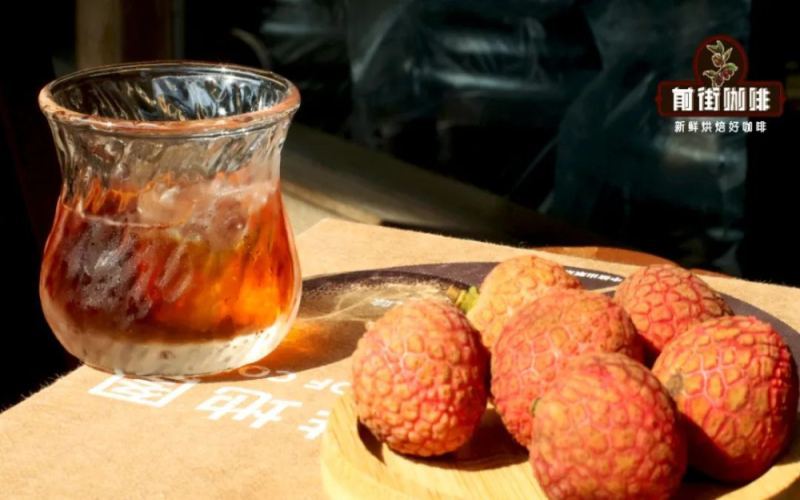
Lychee Iced Coffee: A Detailed Guide to Three Special Recipes—Jasmine Americano, Rice Wine Latte, and Cold Brew, Which Comes Out on Top?
As midsummer arrives, Lingnan lychees flood the market, their sweet, juicy flesh irresistible. What kind of sparks fly when lychee meets coffee? This time, Front Street Coffee got hands-on in the kitchen and tested three lychee coffee recipes buzzing online: lychee jasmine iced americano, lychee rice wine iced latte, and lychee cold brew. From ingredient preparation to extraction parameters, every step was recorded in detail. Some results were disappointing, while others were surprisingly delicious. If you also want a different fruity coffee this lychee season, why not follow this tutorial and give it a try—see which one becomes your summer favorite. [more…]

Caffeine content of Bawang Chaji's new "Qingshan Qigu" drink tested; netizens complain they couldn't sleep all night after drinking it.
CHAGEE recently launched its winter new product "Qingshan Qigu" across its nationwide stores, featuring Wanxi yellow large-leaf tea paired with brown rice buckwheat and milk. The official description highlights its rich aroma of scorched rice and roasted rice. However, after this new product hit the market, consumer feedback has been sharply polarized—aside from disputes over the flavor, a large number of netizens have complained on social media about being unable to sleep all night after drinking it, with the number of insomnia posts even far exceeding taste reviews. According to the brand's published nutritional information, the product contains approximately 24.9mg/100ml of caffeine, which translates to about 144.4mg of caffeine in a large 580ml cup. Is it the caffeine at work or individual differences? This article takes you to find out. [more…]
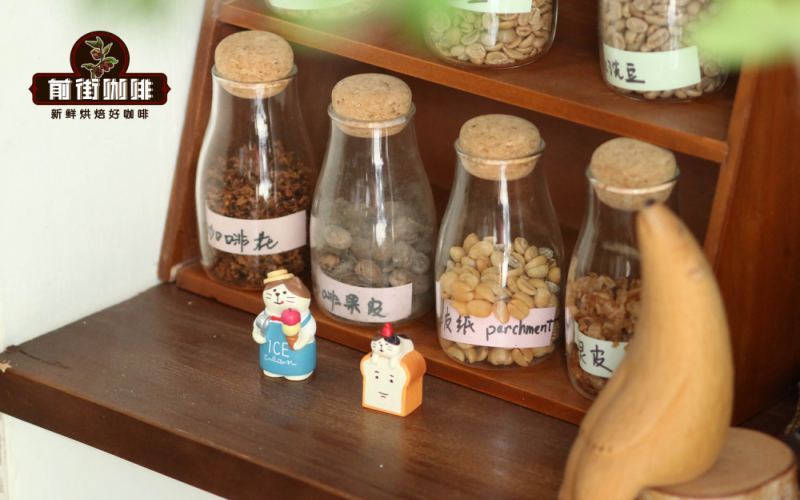
A Complete Guide to the Washed Coffee Processing Method: From Pectin Fermentation to Flavor Expression, Processing Steps, and Pros and Cons
The flavor of coffee beans depends not only on variety and origin—the processing method also plays a key role. This article systematically walks through the complete washed processing method—from removing floating beans and separating the skin and pulp, to fermenting away the mucilage, rinsing with clean water, and drying and hulling—and takes an in-depth look at the advantages and disadvantages of the washed method in terms of quality, appearance, cost, and water usage. At the same time, Front Street Coffee uses two washed beans—Kenya Asaliya and Yirgacheffe Gutingding—as examples to compare the flavor differences brought by different origins, altitudes, and varieties under the same processing method, helping readers build a more well-rounded understanding of washed coffee. [more…]

How to drink cold brew coffee for maximum flavor? A detailed explanation of the underlying fermentation principles and three Front Street concentrate recipes.
Cold brew coffee is a method of extracting coffee with ice water at low temperatures, completely different from regular pour-over. It originated from the invention of the Dutch on the island of Java in the 17th century, using condensed water pressure to drip through coffee grounds one drop at a time, taking up to 8 hours. Cold brew coffee has a unique flavor and needs to be refrigerated and fermented after extraction, reaching its best state on days 3 to 7, with a complex aroma reminiscent of fermented rice wine. This article explains in detail the steps for making cold brew coffee, key points for fermentation and storage, and shares three cold brew recipes commonly used by Front Street Coffee—dark berry type, light and clean type, and sweet and delicious type—to help you easily make a delicious cold brew suitable for summer. [more…]
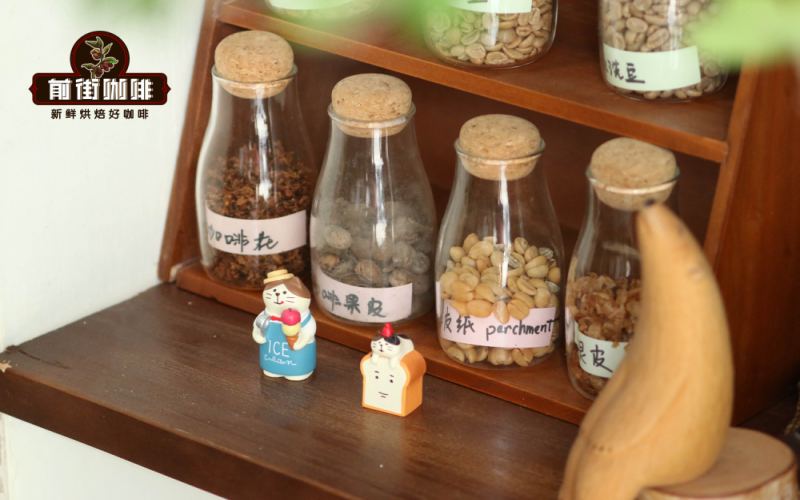
Washed Coffee Beans Pros and Cons | What Is the Washed Processing Method for Green Coffee? How Are Washed Beans Roasted? Recommended Delicious Washed Single-Origin Beans from African Regions
Everyone's demand for coffee is growing stronger by the day, with global coffee bean production reaching as high as 8.4 billion kilograms annually—an astonishing output. When it comes to coffee, Front Street believes that beyond variety, origin, and cultivation methods, there is another important process that influences coffee flavor: coffee bean processing methods. Different processing methods for coffee beans [more…]